
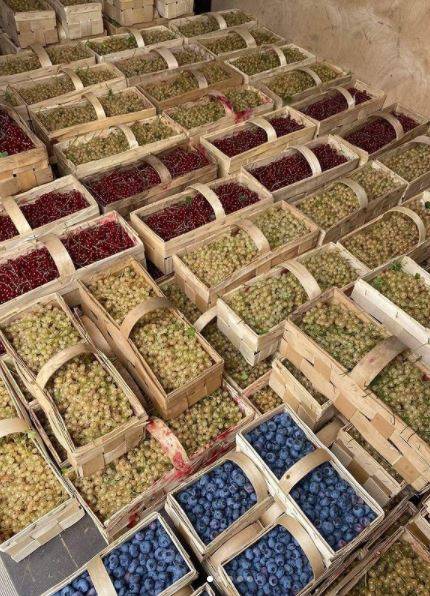
Diversification of Fruit Production in Poland (2021)
The 2021 season was one of the hardest in years for Polish apple growers. Prices at buying stations stayed low from
the first pickings, the cost of labour and inputs kept climbing, and the Agrounia protests over minimum prices met no
real response from the government. For many orchardists the message was simple: whoever wants to stay in business has
to stop relying on a single crop.
A Tough Apple Season
Poland is the largest apple exporter in the EU, but volume alone does not pay the bills when the farmgate price sits
below the cost of production. Low apple prices give growers no reason to expand plantings, and a share of the 2021
crop was picked knowing the return would barely cover the harvest. That pressure is what pushed the shift toward other
species: highbush blueberries, sweet and sour cherries, strawberries, and currants.
Which Crops Paid Off in 2021
The season rewarded growers who had already diversified. Strawberry and currant producers earned the most this year. Cherry and blueberry growers, by contrast, received low prices at buying stations and within producer groups, even though early in the season it looked like blueberries would sell at a premium. The lesson is that no single alternative crop is a guaranteed hedge. Prices move year to year, and the only reliable way to plan is to watch where the market is actually clearing. Growers who track current wholesale rates on the Polish fruit exchange can see how demand is shifting between species before they commit a new block of land.
Why Growers Are Rethinking Their Orchards
A monoculture orchard concentrates all of a farm’s risk into one harvest window and one buyer market. Spreading production across species with different picking dates, storage needs, and buyers smooths cash flow and reduces exposure to a single bad year. It also spreads labour demand across a longer season, which makes it easier to keep a reliable crew.
Planning a Diversified Orchard
Diversification is a multi-year decision. Soil type, water access, cold storage, and access to seasonal labour all shape which crops make sense on a given farm, and a new planting takes two to four years to reach full yield. Growers weighing that move can find planting and crop-selection guides in the Agriteo farmer academy before reworking part of an orchard. For those who stay with apples, the response to weak commodity prices has been to move up the quality ladder and focus on premium, well-sized dessert apple lots that still command a workable price.